FRN’s Support Services provide individuals with disabilities and families of children with disabilities to get the support they need to lead a full and happy life.
FRN’s employment and transition programs support youth and adults with intellectual, developmental, and physical disabilities through mentorship, education, and employment in order to become integrated, productive members of their communities.
FRN’s public health department aims to address the social determinants of health that impact individuals with intellectual and developmental disabilities, physical disabilities, and chronic conditions.
The Family Resource Network provides engaging educational opportunities for professionals, families, and individuals across New Jersey. Our programs are offered both virtually and in person and cover a wide range of topics, including epilepsy, autism, caregiving, transition planning, and IEP development.
Makenna began experiencing unexplained episodes as an infant, but it wasn`t until just before her third birthday that her family finally had an answer. She was diagnosed with focal epilepsy, later found to be linked to a rare genetic mutation, DEPDC5.
Her family worked tirelessly to find answers, eventually finding a care team that listened to their concerns and provided the support Makenna needed. Today, her seizures are controlled with daily medication, and while she continues to manage the side effects, she hasn`t let epilepsy keep her from being a kid.
Now four and a half, Makenna is enjoying preschool, cheering on a competition team, and being the active little girl her family prayed she could be. Her bravery is a source of inspiration for her mom, Kaitlyn, who says, "I have always said that when I grow up, I want to be as brave as Makenna."
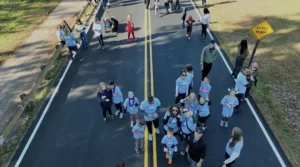
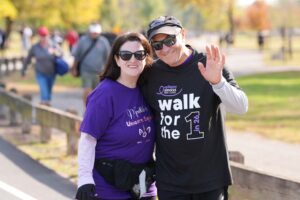
This Sunday, Team Mighty Makenna is walking to show her that she`ll never face epilepsy alone.
We`re excited to walk alongside Team Mighty Makenna at Walk for the ONE!
Explore the Connected to Care Pathways breakout track at the 2026 National Caregivers Conference!
Discover sessions designed to help caregivers better understand rehabilitation, explore research opportunities, and find practical guidance to support their caregiving journey.
Sessions Include:
Understanding Rehabilitation and the Role of Rehabilitation in Supporting Caregivers Presented by Anthony H. Lequerica, Ph.D., Emily DeBel, OTR/L, ATP, and Trevor Dyson-Hudson, MD, FASIA
Understanding Research Participation: A Practical Guide for Caregivers Navigating Research Opportunities Presented by Denise Fyffe, Ph.D., FACRM; Peii (Peggy) Chen, Ph.D.; Helen Genova, Ph.D.; Denise Krch, Ph.D.; and Jeanne Zanca, MPT, Ph.D., FACRM
Both sessions take place Monday, November 2.
Check out the full conference schedule and register at nationalcaregiversconference.org
November 1–2 | Hyatt Regency Princeton | Connected in Caregiving
Explore career pathways and opportunities for students with disabilities at the second webinar being offered in recognition of National Disability Employment Awareness Month on Thursday, October 15, at 12 PM!
Presented by the New Jersey Division of Developmental Disabilities and the Division of Vocational Rehabilitation Services (DVRS), this webinar will cover the five components of Pre-Employment Transition Services (Pre-ETS) and how they help students develop skills for employment, post-secondary education or training, and life after high school.
At Family Resource Network, our Internship to Career program helps put these opportunities into practice by connecting transition-aged youth (16–21) with disabilities to paid internships. Through hands-on experience and workshops covering topics like professionalism, interview preparation, and career trends in New Jersey, participants gain tools to help prepare for their futures.
We’re looking for an Aftercare Staff member to join our Kidz Korner team in the Toms River area! Bring your energy and creativity to a role where you can help youth discover new interests, celebrate their strengths, build friendships, and grow in confidence.
Position Details Monday–Friday, 2:15–5:30 PM $20.50 per hour
About Kidz Korner Kidz Korner is an after-school enrichment program for youth with autism and other intellectual and developmental disabilities. Through recreational activities, games, and group experiences, participants can explore their interests, try new things, and develop social skills in a supportive environment.
Caregivers of New Jersey is hosting a live webinar designed to help families better understand Support Coordination and navigating DDD services.
Our experienced team will cover NJCAT, DDD budgets and services, self-direction, and the role of a Support Coordinator, followed by a live Question and Answer.
These sessions are open to anyone interested in learning more.
Choose the session that works best for you: Thursday, October 22 at 12 PM Tuesday, October 27 at 7 PM
We are excited to welcome Linda Brower, Senior Counsel with Stevens & Lee, to the Family Resource Network Board of Trustees.
Linda brings extensive experience in healthcare law, corporate governance, regulatory compliance, and nonprofit leadership, along with a longstanding connection to organizations serving individuals with disabilities and their families.
“Family Resource Network’s mission strongly resonates with both my professional experience and personal values,” said Brower. “I am honored to join the Board of Trustees and look forward to supporting individuals with disabilities, chronic conditions, and their families.”
Learn more about Linda and her appointment to the Board at the link in bio!