




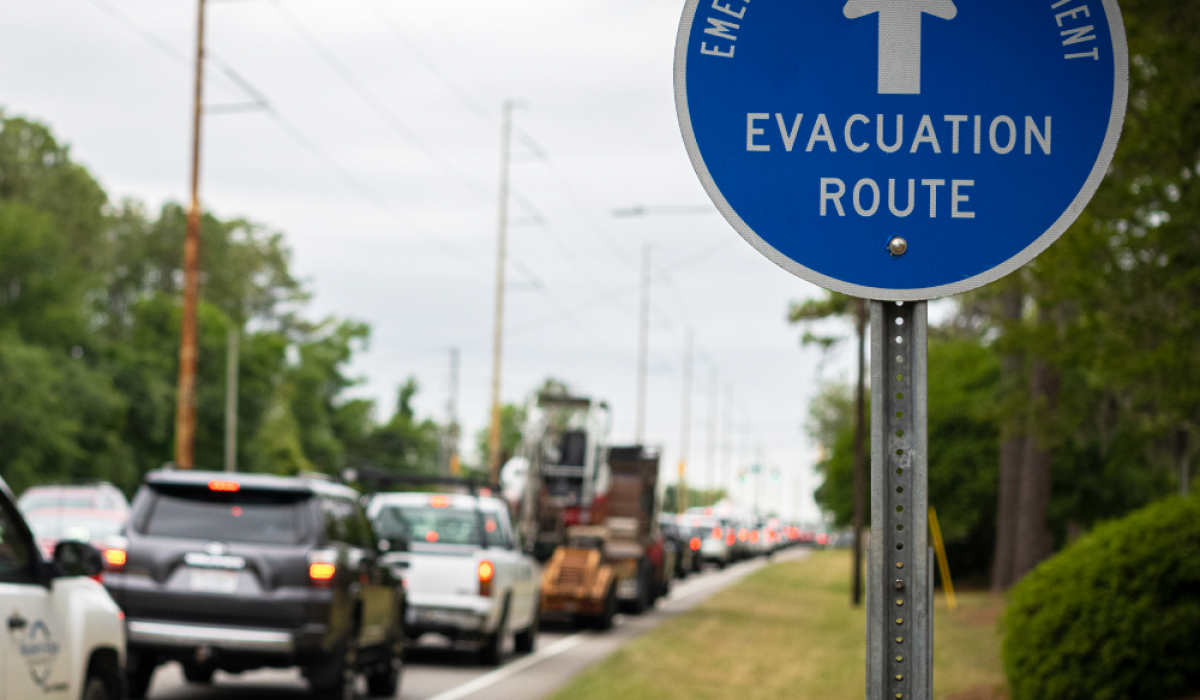
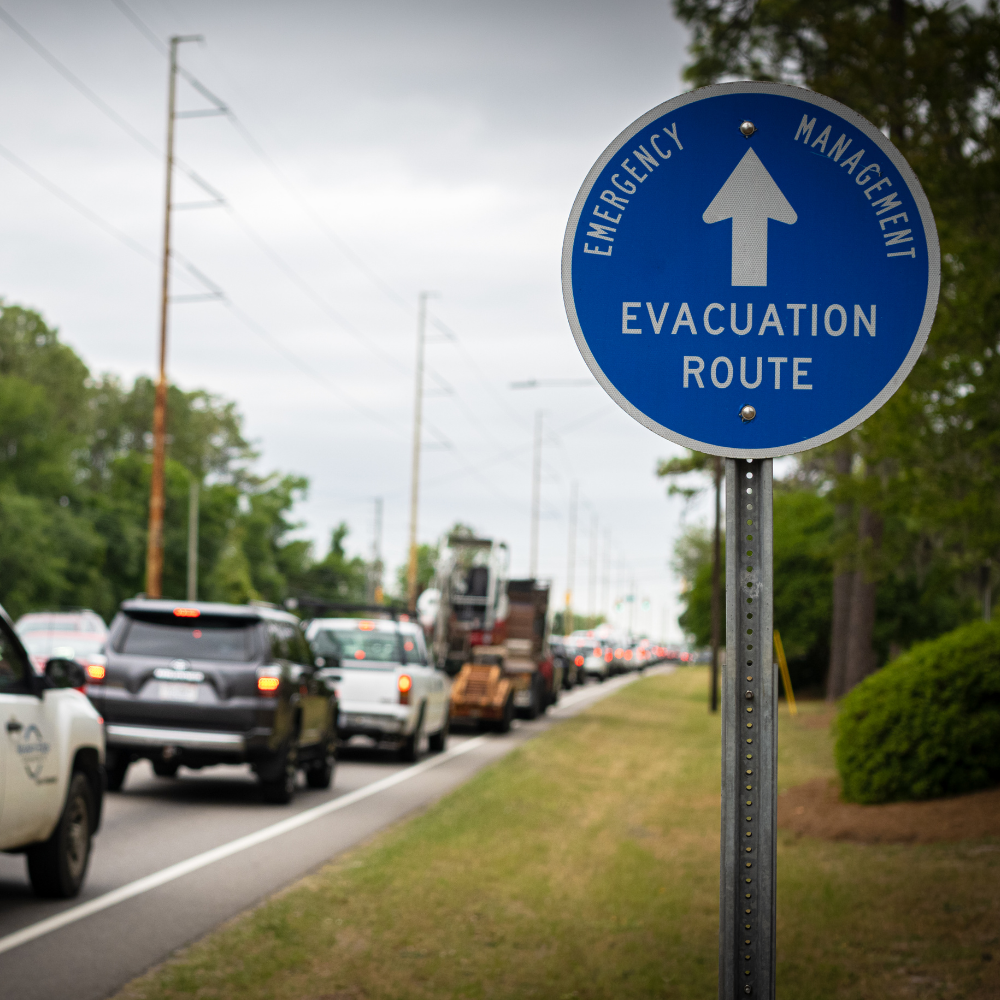
Emergency Planning for Individuals with Intellectual and Developmental Disabilities in New Jersey
Emergency planning for a person with an intellectual or developmental disability should reflect the person’s medical needs, communication style, mobility, sensory needs and daily support. This on-demand Family Resource Network webinar helps New Jersey individuals, families, caregivers and support professionals create a practical plan for medical emergencies, evacuation, sheltering and caregiver changes.
Watch the Emergency Planning Webinar
Complete the short form to access the full webinar. Family Resource Network explains how to build a personalized emergency plan, prepare an emergency kit, plan for accessible evacuation and transportation, organize important records and identify backup caregivers and support contacts.
Access the WebinarThe registration form will open in a new window. After submitting the form, you will receive access to the webinar.
Free On-Demand Webinar
Emergency Planning for Individuals with Intellectual and Developmental Disabilities
What You Will Learn
- How to create a personalized emergency plan
- What to include in an emergency kit for a person with a disability
- How to prepare for medical emergencies such as seizures or choking
- How to plan for evacuation and accessible transportation
- How to create a backup plan if the primary caregiver is unavailable
- Which documents, contacts and support networks to organize
- How New Jersey Register Ready and Smart911 may support emergency preparation

Who Should Watch?
- Individuals with intellectual and developmental disabilities
- Parents, guardians, family members and other caregivers
- New Jersey residents receiving DDD services
- Support coordinators and direct support professionals
- Service providers and person-centered planning team members
- Families preparing for a change in primary caregiver support
How to Build a Personalized Emergency Plan
- Identify the emergencies most likely to affect the person at home, at a program, at work and in the community.
- Document medical conditions, medications, allergies, communication methods, mobility needs, sensory considerations and daily supports.
- Create clear instructions for evacuation, sheltering in place, accessible transportation and the use of medical or mobility equipment.
- Build an emergency kit with supplies specific to the person, including communication tools, comfort items, equipment instructions and copies of important records.
- Choose primary and backup contacts who understand the person’s needs, routines and emergency procedures.
- Share the plan with the individual and support network, then practice the steps in ways that are accessible and understandable.
- Review the plan after changes to health, medication, housing, transportation, contact information or caregiving arrangements.
Why Personalized Emergency Planning Matters
A general household plan may leave out information that affects a person’s safety. An individual may need assistance communicating with responders, evacuating with a wheelchair, keeping medication at the correct temperature, managing sensory stress or maintaining a familiar support routine.
A written plan gives family members, backup caregivers and support professionals a shared reference during a stressful situation. It can include emergency contacts, medical information, communication guidance, transportation arrangements, equipment instructions, copies of identification and the location of essential supplies.
New Jersey residents with disabilities or access and functional needs can also consider Register Ready, the state’s voluntary and confidential disaster registry. Smart911 allows users to create a Safety Profile that may be shown to participating 911 centers when a call is placed from a verified phone number. Registration with either service does not replace a personal emergency plan or guarantee assistance.
New Jersey Emergency Planning Questions
Frequently Asked Questions About Disability Emergency Planning
Review common questions about personalized plans, emergency kits, medical information, evacuation, backup caregivers, Register Ready and Smart911.
What should an emergency plan include for a person with an intellectual or developmental disability?
The plan should address the person’s communication, medical, mobility, behavioral, sensory and daily support needs. It should include emergency contacts, evacuation and transportation arrangements, medication and equipment information, preferred communication methods, backup caregivers and instructions for maintaining health and safety.
What belongs in an emergency kit for a person with a disability?
In addition to food, water, lighting, batteries and basic supplies, the kit may need medications, copies of prescriptions, medical and communication information, charging equipment, backup batteries, mobility or sensory supplies, personal care items, comfort items and copies of identification and insurance cards. Supplies should match the person’s needs and be checked regularly.
How should families prepare for seizures, choking or another medical emergency?
Families should follow the person’s current medical care plan and guidance from qualified healthcare professionals. Caregivers and staff should know where emergency instructions and medications are kept, which warning signs require help, who to contact and when to call 911. Training should match the person’s specific medical needs.
How can a family plan for an accessible evacuation?
Identify more than one accessible exit and destination, determine how mobility equipment and medical supplies will travel, and arrange primary and backup transportation. Include plans for power-dependent equipment, service animals, communication support and assistance transferring or navigating stairs. Practice the route with the individual and support network when it is safe to do so.
What should be included in a caregiver backup plan?
Choose people who understand the individual’s routines, communication, health needs and preferences. Provide written instructions, current contact information, medication and provider details, legal documents when applicable, access information for the home and a clear process for transferring responsibility if the primary caregiver becomes unavailable.
Which documents should families organize before an emergency?
Useful records may include identification, insurance information, medication and allergy lists, healthcare contacts, emergency consent information, guardianship or supported decision-making documents, the Individualized Service Plan, communication guidance and instructions for equipment. Store copies securely and make sure trusted backup contacts know how to access them.
What is New Jersey Register Ready?
Register Ready is New Jersey’s voluntary and confidential registry for residents with disabilities or access and functional needs. The information helps emergency managers and first responders plan for people who may need assistance during a disaster. Residents can register online or call 211 for help. Registration does not guarantee that emergency officials will be able to provide assistance.
What is Smart911 and how is it different from Register Ready?
Smart911 allows a household to create a Safety Profile with information such as medical conditions, disabilities, emergency contacts and communication needs. The profile may appear when a person calls 911 from a verified phone number and the receiving 911 center participates in Smart911. Register Ready is New Jersey’s disaster registry used for emergency planning and response. Availability and information-sharing options for Smart911 vary by location.
How often should an emergency plan be reviewed?
Review the plan regularly and whenever medication, health, mobility, communication, housing, transportation, service providers or caregivers change. Confirm phone numbers, addresses and backup contacts, replace expired supplies and practice the plan in a way that respects the individual’s needs and comfort.
This webinar is provided for general educational purposes and does not replace medical advice, emergency training or instructions from public safety officials. If someone is in immediate danger or needs emergency medical, fire or police assistance, call 911. Review current information from Disability Information Hub emergency planning resources, NJ Register Ready, New Jersey’s access and functional needs resources, Ready.gov disability preparedness guidance and Smart911. Families should follow guidance from healthcare providers, local emergency management officials and the individual’s support team.
Get Help Navigating New Jersey Disability Services
Family Resource Network connects New Jersey individuals and families with information, guidance and resources that support safety, independence and person-centered planning.
Contact Family Resource Network